
Discover comprehensive updates on the Ukraine-Russia war as Germany’s BND warns of a direct conflict with Putin, Zelensky secures €8.5bn in defense deals, and oil strikes reshape the battlefield.
Geopolitical Tensions Reach a Boiling Point in Europe
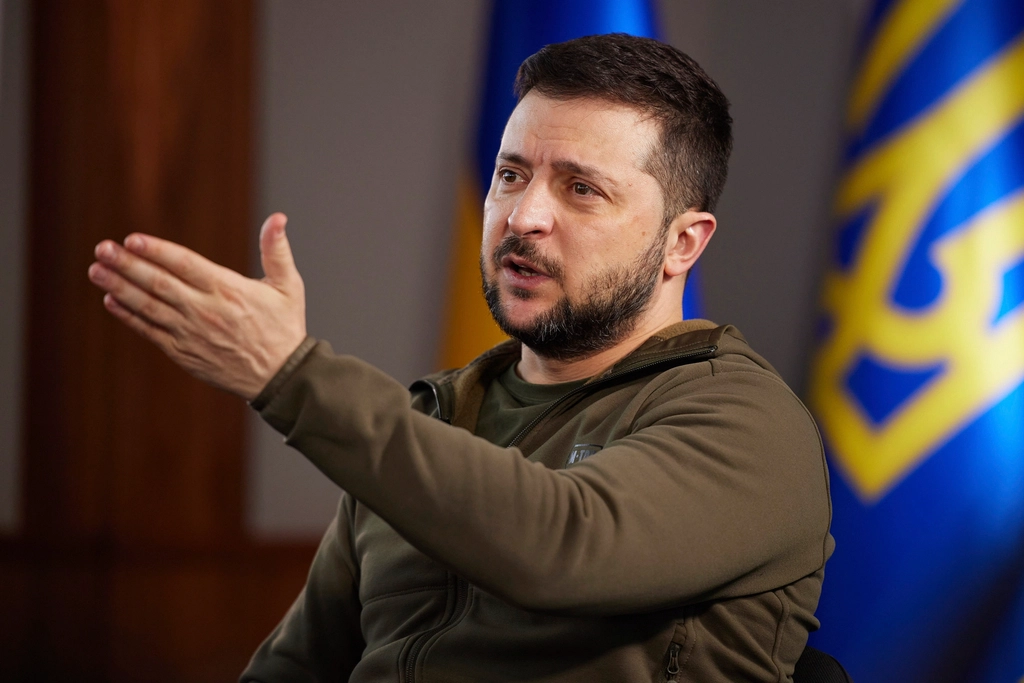
Image Courtesy: rawpixel.com
The protracted conflict between Ukraine-Russia has officially crossed into an alarming new phase. Intelligence officials across Europe now describe the current situation as a “new, more dangerous dimension”.
Geopolitical tensions have reached a fever pitch. European leaders are rapidly ramping up defense readiness.
Meanwhile, a clandestine shadow war between Moscow and Western democracies continues to intensify behind the scenes.
ALSO READ: Why Moscow’s Shift Toward Civilian Targets Triggers a European Security Crisis
The stakes have never been higher. Global markets, international shipping lanes, and regional security frameworks are all feeling the severe shockwaves.
Germany Foreign Intelligence BND Warning Against Moscow
The escalating risk of a wider European war became a primary focus following stark warnings from Berlin.
Martin Jaeger, head of Germany’s foreign intelligence service—known as the Bundesnachrichtendienst (BND)—delivered a sobering assessment to lawmakers during an annual public hearing.
Jaeger stated unequivocally that Germany faces a severe and immediate danger.
“No other country currently poses such a direct, comprehensive and concrete threat to Germany,” Jaeger stated during the briefing.
He highlighted Moscow’s increasingly aggressive shadow war targeting European democracies.
Jaeger further noted that Berlin did not seek this confrontation. Instead, he argued that Russia is forcing the conflict because Germany refuses to accept Moscow’s revisionist, expansionist policies and its ongoing war of aggression against Ukraine.
Volodymyr Zelensky Germany Defense Deals and Major Military Aid
Echoing these deep security concerns, German Chancellor Friedrich Merz traveled to Kyiv to show unwavering support for President Volodymyr Zelensky.
During his visit, Merz announced a fresh €1 billion military aid package.
This comprehensive package includes long-range strike capabilities, advanced combat drones, and vital satellite technology.
These assets are explicitly designed to empower Ukrainian forces to target Russian launch pads.
Furthermore, President Zelensky announced a monumental strategic milestone. He revealed a total of €8.5 billion in strategic defense and industrial agreements signed with Germany.
These deals focus heavily on boosting joint weapons production, enhancing air defense, and increasing the localized manufacturing of Patriot missile systems.
Russian Oil Refining Capacity Neutralised by Long-Range Strikes
On the physical battlefront, asymmetric warfare continues to rewrite tactical advantages. Ukraine’s defense ministry reported that coordinated long-range strikes have successfully neutralised over 51% of Russia’s oil refining capacity.
Key energy and refining facilities located in Moscow, Yaroslavl, Ust-Luga, Perm, Saratov, and Syzran have faced massive disruptions.
These targeted strikes have severely hampered the Kremlin’s ability to supply fuel to occupying forces during the prolonged invasion.
In swift retaliation, Russian aerial bombardments have continued to batter civilian and urban infrastructure.
Recent glide-bomb strikes in Kharkiv resulted in multiple tragic casualties, leaving residential areas, local schools, and warehouse buildings completely devastated.
Detailed Overview of Current Conflict Indicators
| Metric / Strategic Event | Current Operational Status | Long-Term Strategic Impact |
| German Military Support | €1B immediate package paired with €8.5B bilateral defense deals | Boosts local Patriot missile production and strengthens European air defense. |
| Russian Oil Infrastructure | Ukraine claims 51% of total refining capacity is affected | Significantly disrupts fuel supply chains for active front-line Russian forces. |
| Black Sea Maritime Security | Civilian grain carriers and Turkish-owned vessels targeted | Direct threat to regional food security and international trade navigation. |
| NATO Eastern Flank Defense | Estonia repositions primary military brigades closer to the border | Enhances defensive deterrence against potential future Russian aggression. |
Black Sea Security and Maritime Risks Impacting Global Trade
The maritime theater remains a high-stakes flashpoint for international security. President Zelensky reported a deadly drone strike targeting a Turkish-owned civilian vessel carrying corn through neutral waters just outside Romania’s territorial boundaries.
The horrific attack resulted in fatalities, including the ship’s captain, and injured multiple multinational crew members.
International trade and security analysts warn that targeting commercial cargo vessels directly threatens global food supplies.
This reckless escalation has triggered urgent international calls for increased economic pressure on Moscow to guarantee safe, unhindered navigation lanes in the Black Sea.
Ukraine-Russia War: NATO Allies Fortify Borders Amid Rising Regional Fears
Beyond Ukraine’s immediate borders, neighboring NATO nations are taking proactive steps. Estonia has officially begun shifting its primary military brigades closer to its border with Russia.
Military leadership noted that the country is procuring deep-strike weapons and preparing diligently for potential future conflicts.
Colonel Tarmo Kundla, commander of the Estonian First Brigade, emphasized that defense strategies must start directly at the border to win initial engagements.
Relocating core fighting forces closer to active flashpoints highlights the growing anxiety across Eastern Europe regarding Moscow’s long-term intentions.
Frequently Asked Questions (FAQs)
1. Why is Germany warning about a direct conflict with Russia?
Germany’s foreign intelligence chief warned that Russia views Berlin as a primary adversary due to Germany’s robust military support for Ukraine. This confrontation stems from an aggressive shadow war launched by Moscow to destabilize European democracies.
2. What new military support has Ukraine received from Germany?
German Chancellor Friedrich Merz announced a €1 billion military package featuring long-range weapons and combat drones. Additionally, Ukraine secured €8.5 billion in defense procurement and joint industrial production deals focused on air defense and Patriot missiles.
3. How have Ukrainian drone strikes impacted Russia’s economy and military?
Kyiv claims that long-range drone strikes targeting domestic energy hubs have disabled over half of Russia’s oil refining capacity. This strategic campaign severely complicates fuel logistics and supply chains for occupying Russian forces.
Conclusion
The Ukraine-Russia conflict has officially transcended local territorial disputes, evolving into a systemic confrontation that tests the absolute resilience of European security architecture.
With Germany fortifying its defensive posture through BND warnings, NATO allies repositioning troops near eastern frontiers, and technological warfare taking center stage, the path forward requires extreme vigilance.
Unwavering diplomatic balance and strong strategic deterrence remain essential to preventing a broader international catastrophe.