
Trump Iran unconditional surrender: Trump says no deal with Iran without unconditional surrender amid U.S. war against Iran. Explore impacts on oil prices, Iran leadership crisis after Khamenei’s death, and global economy risks. Will Iran unconditional surrender end the Iran war?
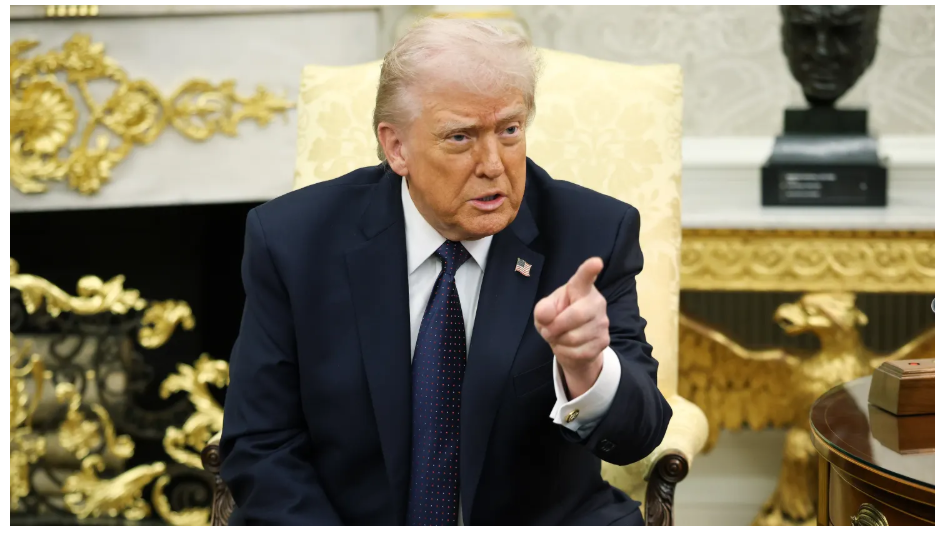
Image Courtesy: cnbc
Trump Says No Deal with Iran Without Unconditional Surrender: What It Means for the War
In a bold escalation of the U.S. war against Iran, President Donald Trump has declared no deal with Iran without unconditional surrender.
This stark position comes as Iran grapples with a leadership vacuum following the airstrike death of Supreme Leader Ayatollah Ali Khamenei. Trump’s demand isn’t just rhetoric—it’s a high-stakes pivot that could reshape Middle East dynamics, spike global oil prices, and test alliances.
As Qatar’s energy minister Saad al-Kaabi warns, the Iran war unconditional surrender demand threatens to “bring down the economies of the world” through soaring energy costs.
For readers tracking Trump Iran unconditional surrender news, this post breaks down the statement, its backstory, economic fallout, and what comes next. Stay informed on this critical geopolitical flashpoint.
Background: U.S. War Against Iran and Khamenei’s Assassination
The Trump says no deal with Iran stance emerges from a conflict ignited by U.S. and Israeli airstrikes. Khamenei, Iran’s supreme leader for over three decades, was killed early in the war, leaving Tehran without a clear successor.
This Iran leadership crisis has paralyzed decision-making, with rival factions vying for power amid ongoing bombardments.
Trump’s full statement: After an “unconditional surrender,” the U.S. and allies would “work tirelessly to bring Iran back from the brink of destruction, making it economically bigger, better, and stronger than ever before.”
This carrot-and-stick approach echoes post-WWII reconstructions, positioning America as both enforcer and rebuilder.
Key triggers for the war include Iran’s nuclear advancements, proxy attacks on U.S. interests, and regional proxy wars in Yemen and Syria. Trump’s administration views unconditional surrender as the only path to neutralize these threats permanently.
Trump’s Iran Unconditional Surrender Demand: Breaking It Down
Why no deal with Iran without unconditional surrender? Trump argues partial ceasefires have failed before, citing the 2015 nuclear deal’s collapse under his first term. Here’s what unconditional surrender entails:
- Full military capitulation: Iran dismantles its Revolutionary Guard Corps (IRGC) and cedes control of nuclear sites.
- Proxy network shutdown: End support for Hezbollah, Houthis, and Hamas.
- Leadership overhaul: Interim U.S.-supervised government until elections.
Trump frames this as mercy, promising post-surrender aid to revitalize Iran’s economy—hit hard by sanctions and war damage. Critics call it regime change by force, risking prolonged insurgency.
| Aspect | Current Iran Status | Post-Unconditional Surrender Vision |
| Leadership | Khamenei dead; no successor | U.S.-backed transitional council |
| Military | IRGC active; missile stockpiles | Demobilized forces |
| Economy | Oil exports crippled | Rebuilt with allied investment |
| Global Ties | Russia/China alliances | Normalized U.S./Israel relations |
This table highlights the transformative stakes in Trump’s Iran war unconditional surrender ultimatum.
Oil Prices Iran War: Qatar’s Stark Warning and Global Fallout
Qatar’s Saad al-Kaabi didn’t mince words: Oil prices due to the U.S. war against Iran “could bring down the economies of the world.” Iran’s control of the Strait of Hormuz—handling 20% of global oil—amplifies the risk. Recent disruptions have already pushed Brent crude above $100/barrel.
- Short-term spikes: War halts 2-3 million barrels/day from Iran, inflating prices 20-30%.
- Supply chain chaos: Europe and Asia face shortages, hiking inflation.
- U.S. impact: Gas prices could hit $5/gallon, pressuring Trump’s domestic support.
ALSO READ: White House Spain denial on Trump Spain military bases
India, a top Iranian oil buyer, feels acute pain—may see fuel costs soar, affecting transport and farming.
Stock up on solar generators via Amazon for energy independence amid volatility.
Al-Kaabi urges diplomacy, but Trump’s hardline blocks it. OPEC+ production hikes offer limited relief.
Geopolitical Ripples: Allies, Rivals, and Iran’s Next Move
The Trump Iran unconditional surrender call divides allies. Israel cheers full demilitarization; Saudi Arabia eyes regional dominance. Europe pushes talks, fearing refugee waves.
Rivals like Russia and China bolster Iran with arms, prolonging the fight. Without a Khamenei successor, internal chaos could force surrender—or spark civil war.
Public sentiment in Iran? Protests mix war fatigue with anti-U.S. fervor. Trump’s reconstruction promise might sway moderates if broadcast widely.
For Pinterest marketers like you, visualize this: Infographics on “oil prices Iran war impact” with Canva templates could drive traffic—pin “Trump No Deal Iran” visuals for viral shares.
Path Forward: Will Unconditional Surrender End the Iran War?
Scenarios post-demand:
- Iran folds: Quick ceasefire; U.S.-led rebuild mirrors Germany’s post-1945 boom.
- Stalemate drags: Oil crisis deepens; global recession looms by mid-2026.
- Escalation: Iran closes Hormuz; U.S. invades, risking wider conflict.
Trump’s calculus: High reward outweighs invasion costs. History favors bold demands—think Japan’s 1945 surrender.
Conclusion: Navigating Trump’s No Deal with Iran Era
Trump’s no deal with Iran without unconditional surrender redefines the U.S. war against Iran, blending iron fist with olive branch. As oil prices climb and leadership voids widen, the world watches.
For global stability, surrender might be Iran’s least bad option—unlocking economic revival under U.S. oversight. Track updates here; this saga shapes 2026’s headlines. What’s your take—surrender or stalemate?
FAQ: Trump Iran Unconditional Surrender
What did Trump say about no deal with Iran?
Trump declared no peace without Iran’s “unconditional surrender,” followed by U.S. aid to rebuild its economy stronger.
Why was Ayatollah Khamenei killed?
A U.S.-Israel airstrike at the war’s start targeted him, sparking Iran’s leadership crisis.
How does the Iran war affect oil prices?
Qatar warns of global economic collapse from surges, as Iran disrupts 20% of oil flows via Hormuz.
What happens after Iran’s unconditional surrender?
U.S. allies oversee demilitarization and reconstruction, aiming for a prosperous, non-threatening Iran.
Is Trump’s demand realistic amid the U.S. war against Iran?
It echoes WWII victories but risks prolonged fight if Iran resists; allies are split.