
Iran-US Tensions are escalating amid protests, sanctions, military warnings, and nuclear talks. Here’s a clear breakdown of what’s happening and why it matters.
Tensions between Iran and the United States have once again taken center stage in global politics.
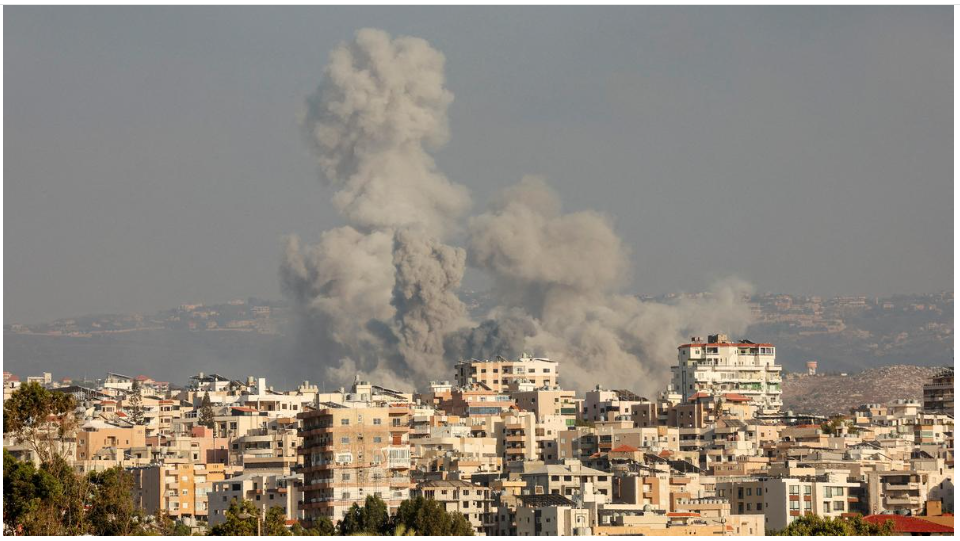
What began as internal unrest in Iran has now grown into a broader geopolitical standoff involving sanctions, military warnings, nuclear talks, and regional security concerns.
ALSO READ: Unlocking Success in Affiliate Marketing with AI-Powered Strategies
With strong statements from both sides and growing international attention, the situation remains fragile and unpredictable.
This article breaks down the latest developments, explains the key drivers behind the conflict, and looks at what this escalation could mean for the Middle East and the wider world.
Iran-US Tensions: Protests in Iran and Global Reaction
Iran-Us Tensions have faced sustained protests across several cities, driven by economic stress, political dissatisfaction, and anger over government policies.
Iranian authorities have responded with a heavy security presence, detentions, and restrictions on public gatherings.
While Tehran insists it is maintaining national order, international human rights groups and Western governments have raised serious concerns about the scale and severity of the crackdown.
The unrest quickly drew global attention, especially from Washington. The US has repeatedly accused Iran’s leadership of suppressing dissent and violating human rights. These accusations have become a key factor shaping Washington’s recent actions toward Tehran.
The US Position: Sanctions and Strategic Pressure
The United States has responded by imposing fresh sanctions on Iranian officials and institutions linked to the handling of protests.
These measures are designed to increase economic and political pressure on Tehran without direct military confrontation.
At the same time, US leadership, including president Donald Trump, has issued sharp warnings.
Statements from Washington emphasize that Iran must return to serious nuclear negotiations and limit its missile development.
While US officials continue to say they prefer diplomacy, they have also made it clear that “all options remain on the table.”
Military signals have reinforced this message. The movement of US naval and air assets into the region has been widely interpreted as a show of strength, aimed at deterring Iran from any aggressive action.
Iran’s Response On Iran-US Tensions : Defiance and Warnings
Iran has firmly rejected what it calls foreign interference in its internal affairs.
Senior Iranian leaders argue that protests are being fueled by external powers, including the US and its allies, to weaken the country from within.
Tehran has also doubled down on its defense posture. Iranian officials have warned that any military attack would be met with a strong response, stressing that the country’s missile and nuclear knowledge cannot be destroyed through force.
Iran insists its nuclear program is peaceful, even as it resists limits demanded by Western powers.
These statements suggest that while Iran says it does not seek war, it is prepared for escalation if pushed further.
Nuclear Talks: Still Possible, but Uncertain about Protests
One of the most critical aspects of the Iran–US standoff remains the nuclear issue.
The collapse of earlier agreements and ongoing mistrust have made negotiations extremely difficult. However, behind the scenes, diplomatic channels appear to remain open.
Iranian officials have hinted that talks could resume under the right conditions, while US representatives continue to call for renewed dialogue.
Countries such as Russia and others have offered to mediate, highlighting the international community’s concern over the risk of conflict.
Despite this, progress remains slow. Both sides are demanding concessions, and neither wants to appear weak domestically or internationally.
Regional Impact and Rising Anxiety in Iran-US Tensions
The consequences of escalating Iran–US tensions extend far beyond the two countries involved.
The Middle East is already dealing with multiple conflicts, and any direct confrontation could have serious ripple effects.Allies of the US in the region are urging restraint, while also preparing for worst-case scenarios. The risk of miscalculation remains high.
Where Things Stand Now
At present, the situation appears locked in a tense balance. The United States is using economic and military pressure to push Iran back to the negotiating table.
Iran, meanwhile, is resisting those demands while signaling it will defend its sovereignty at all costs.
Neither side seems eager for a full-scale war, but the combination of protests, sanctions, military posturing, and nuclear concerns makes the situation volatile. Even a small incident could quickly escalate if diplomatic efforts fail.
Why This Matters Globally
Iran–US tensions are not just a regional issue. They affect global energy prices, international security, and diplomatic relations among major powers. A breakdown in talks or a military clash could have consequences felt far beyond the Middle East.
For now, the world watches closely, hoping that diplomacy can still outweigh confrontation.
Frequently Asked Questions (FAQ)
1. Why are Iran–US tensions rising again?
The latest escalation is driven by protests inside Iran, US sanctions over human rights concerns, disagreements over Iran’s nuclear program, and increased military signaling from both sides.
2. Is a war between Iran and the US likely?
At the moment, both countries say they prefer to avoid war. However, rising tensions and military movements increase the risk of miscalculation.
3. What role do nuclear talks play in this crisis?
Nuclear negotiations are central. The US wants limits on Iran’s nuclear activities, while Iran demands sanctions relief and respect for its sovereignty.
4. How could this affect the global economy?
Any conflict could disrupt oil supplies from the Middle East, leading to higher energy prices and market instability worldwide.
5. Are other countries involved?
Yes. Several regional and global powers are watching closely, with some offering to mediate to prevent further escalation.