

Read an in-depth news analysis on the Iran-US war, exploring troop deployments, Saudi oil facility attacks, G7 diesel reserves, and global supply chain disruptions.
A Critical Juncture in the Middle East
The geopolitical landscape across the Middle East has reached a volatile and dangerous turning point.
Ongoing military hostilities involving the United States, Iran, and various regional proxy groups continue to send powerful shockwaves through international diplomacy and global energy markets.

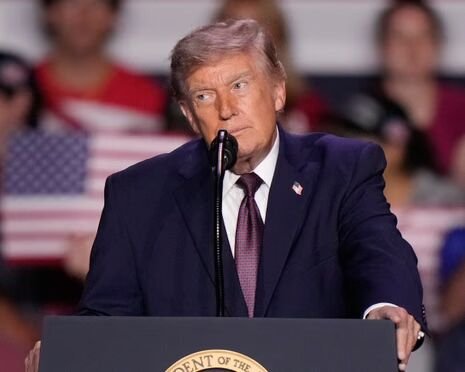
Image Credits: The Guardian
What began as a localized confrontation has steadily expanded. It now threatens the very core of international supply chains, maritime commerce, and macroeconomic stability.
Recent developments underscore a rapid acceleration in military posture. Critical infrastructure assets across the region face mounting security risks.
Governments from Washington to European capitals are scrambling to contain potential fallout. Energy traders, policymakers, and global logistics experts are closely monitoring every strategic shift.
Inside Donald Trump’s Middle East Strategy and Military Buildup
The administration of President Donald Trump is actively signaling a hardline approach to the ongoing crisis.
Recent reports confirm that the Pentagon is dispatching roughly 9,000 additional troops to the Middle East.
This major deployment includes a specialized fleet of warships, anchored by a third aircraft carrier. The move dramatically reinforces American military assets in the theater.
ALSO READ: US-China $30Billion Tariff Cut and Super Intelligence Agreement: An In-Depth News Analysis
It underscores an evolving strategy as the White House weighs its next military options. Domestic political considerations, including upcoming midterm elections, also form a backdrop to these decisions.
Behind closed doors, high-level strategy meetings have taken place. Top national security aides recently gathered for secret talks at the presidential retreat at Camp David.
Vice President JD Vance reportedly chaired these high-stakes discussions. Administration officials are carefully mapping out future steps regarding Iran.
They are simultaneously evaluating the complex, multi-layered dynamics of the ongoing conflict between Saudi-led coalitions and Yemen’s Houthi movement.
Observers note that these closed-door deliberations reflect a growing urgency within the White House.
Energy Infrastructure Under Fire: Saudi Arabia and the Aramco Strikes
Global energy security faces unprecedented threats as vital production and processing facilities become targets. A dramatic fire recently erupted near a major Saudi Aramco oil facility south of Riyadh.
Eyewitnesses reported plumes of dark smoke billowing from the site. This incident follows a sharp escalation in hostile activities between Saudi Arabia and Yemen’s Houthi forces.
The Houthi movement has systematically stepped up drone and missile attacks targeting Saudi urban centers and critical energy infrastructure.
These attacks highlight the vulnerability of key nodes in the global oil supply network.
Energy analysts point out that even minor disruptions to Saudi processing plants can trigger immediate price volatility.
The sheer scale of Aramco operations means that any security breach resonates instantly across international markets.
Maritime Chokepoints: The Strait of Hormuz Crisis
Beyond terrestrial oil facilities, maritime security in the Persian Gulf is deteriorating rapidly. The Strait of Hormuz remains a primary focal point of tension.
Recent maritime trade reports indicate that a crude oil tanker was struck by an unknown projectile off the coast of Oman.
Fortunately, crew members were reported safe, and officials confirmed no immediate environmental disasters.
However, this incident follows a string of similar maritime attacks. Navigating the narrow waterway has become an increasingly hazardous endeavor for commercial shipping.
Approximately 20 percent of the entire global petroleum supply passes through the Strait of Hormuz. With the waterway effectively deadlocked due to ongoing tit-for-tat strikes between US and Iranian forces, shipping lines are forced to reconsider their routes.
Insurance premiums for vessels operating in the region have skyrocketed. Major port operators, such as DP World, are actively exploring alternative overland and coastal facilities—such as Fujairah—to ease pressure on traditional trade hubs like Dubai’s Jebel Ali port.
G7 Emergency Reserves and the Diesel Market Crunch
The ripple effects of the conflict extend far beyond crude oil extraction, hitting refined products like diesel particularly hard.
Recent weeks saw intense speculation regarding potential export blocks by the United States.
President Donald Trump publicly addressed the rumors, claiming that a formal diesel export ban was “never really on the table.”
Despite these assurances, the mere threat of severe supply restrictions sent panic through international markets.
Under immense pressure from the White House, leading G7 nations agreed to a coordinated move.
Member states pledged to release 100 million barrels of fuel and oil from emergency strategic reserves.
European leaders, in particular, drew praise from Washington for tapping into their emergency stockpiles.
This strategic release was designed to ward off acute shortages, calm nervous investors, and stabilize soaring diesel prices across Western economies.
Regional Diversification and Alternative Trade Routes
The protracted nature of the crisis has forced Gulf nations to seriously contemplate a future less reliant on traditional transit corridors.
Decades of economic stability built around the Strait of Hormuz are being re-evaluated.
For instance, Iraq recently took a historic step by independently transporting two million barrels of crude oil through the Strait of Hormuz via its state-owned oil tanker company.
This move shifts operations away from traditional loading points like Basra.
It grants state marketers greater flexibility to secure favorable pricing and sales terms in international markets. Furthermore, regional powers are investing heavily in new maritime fleet capabilities and overland pipelines.
These initiatives aim to bypass vulnerable chokepoints entirely. They represent a fundamental shift in how Middle Eastern energy exporters manage geopolitical risk.
Comprehensive Overview of the Current Crisis
| Strategic Sector | Recent Development | Direct Market Impact |
| US Military Posture | Deployment of 9,000 fresh troops and a third carrier. | Signals readiness for potential expanded military action. |
| Saudi Energy Security | Fire and smoke reported near Aramco facility in Riyadh. | Heightens anxiety over Middle Eastern oil production stability. |
| Maritime Shipping | Crude tanker struck by projectile off the coast of Oman. | Drives up marine insurance rates and disrupts tanker schedules. |
| G7 Energy Policy | Coordinated release of 100 million barrels of emergency fuel. | Mitigates severe diesel price spikes and prevents shortages. |
Conclusion
The Iran-US war has long transcended a simple regional dispute. It has transformed into a complex crisis with profound implications for global economic stability, energy security, and international diplomacy.
As Washington reinforces its military presence and Gulf economies rapidly adapt to severe logistical hurdles, the path forward remains deeply uncertain.
Policymakers face difficult choices as they balance military deterrence with the urgent need to protect global supply chains.
Ultimately, the resolution of this conflict will redefine energy trade routes for decades to come. Markets and international observers will continue to watch developments closely for any credible signs of diplomatic de-escalation.
Frequently Asked Questions
What triggered the recent escalation in the Iran-US conflict?
The crisis intensified following prolonged maritime standoffs, shipping disruptions in the Strait of Hormuz, and a series of reciprocal military actions between US forces, Iran, and allied regional factions.
Why is the Strait of Hormuz vital to the global economy?
Roughly 20 percent of the world’s total petroleum supply transits through the Strait of Hormuz daily. Any security threat or physical blockage in this narrow channel instantly restricts global oil and diesel flows, driving up prices worldwide.
What was the purpose of the G7 emergency reserve release?
G7 nations agreed to release 100 million barrels of fuel and oil from strategic reserves to counteract potential export restrictions, alleviate panic in energy markets, and stabilize soaring diesel prices.
How are Gulf countries adapting to ongoing security threats?
Gulf nations are actively developing alternative trade routes, investing in overland pipelines, expanding independent tanker fleets, and upgrading coastal facilities to bypass vulnerable maritime chokepoints.